
Case Study: How We Built the Blueprint for a 15% Profitability Jump at a Family-Owned Construction Firm
- January 9, 2026
- Posted by: Jobelle Metillo
- Category: Case Study
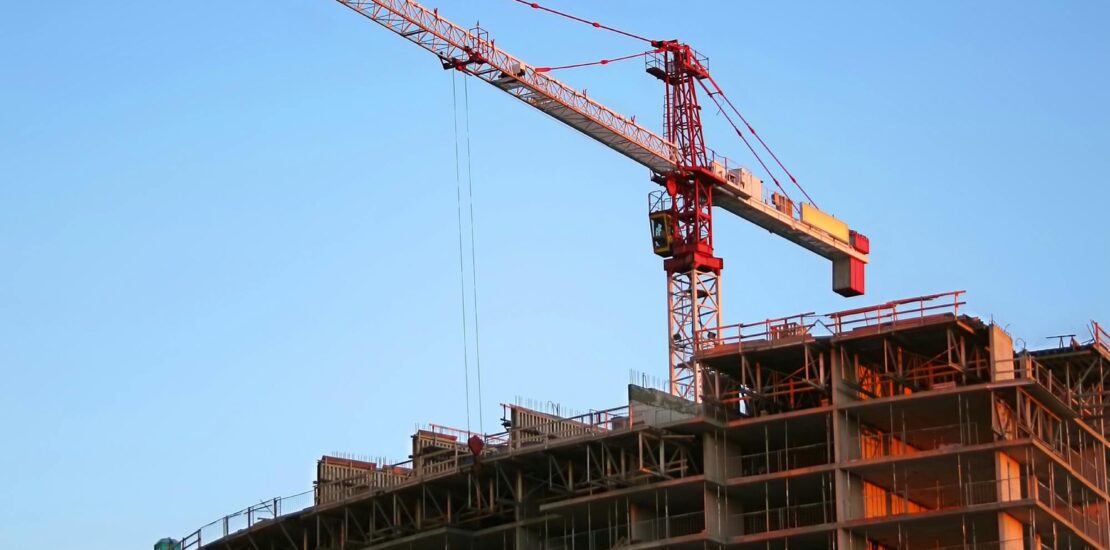
Client: “Chesapeake Constructors,” a second-generation, family-owned commercial construction firm in Virginia.
Service Area: Business Transformation & Strategy Consulting
Challenge: Stagnant growth, declining bid-win ratios, and uncertainty around leadership succession were threatening the firm’s 40-year legacy.
Solution: We designed and executed a comprehensive strategic planning process that clarified their market position, optimized their bidding strategy, and established a clear, multi-year roadmap for a successful leadership transition and profitable growth.
Introduction
Chesapeake Constructors had a reputation for quality, built over decades by its founder. However, the construction landscape had changed. The firm was being consistently outmaneuvered by more agile, data-driven competitors. The founder was ready to step back, but his two children had different visions for the future, leading to operational paralysis. While their field execution remained strong, the back office was falling behind, and morale was beginning to fray.
The Problem: A Foundation Built on Instinct, Not Data
The core issue was a deep-seated reliance on “the way we’ve always done it.” This created several critical challenges:
- Reactive Bidding: The firm bid on almost every project that came across their desk, stretching resources thin and leading to low-margin wins or, more often, costly losses. They had no clear ideal client profile or project type.
- Succession Paralysis: The lack of a formal succession plan created internal friction. Decisions were delayed as the founder and the next generation struggled to find alignment, confusing employees and clients alike.
- Stagnant Profitability: Despite steady revenue, net profits had been flat for three years. Rising material costs and inefficient project management were eroding their margins, but they lacked the financial visibility to pinpoint the exact cause.
The Catalyst for Change: Losing a Legacy Project
The breaking point came when Chesapeake was underbid by a younger competitor for a landmark community project—a project they felt was “theirs to lose.” The competitor’s proposal was not only leaner on price but also included innovative technology and scheduling solutions that made Chesapeake’s bid look dated. The loss was a significant blow to both their finances and their pride, forcing them to acknowledge that instinct was no longer enough.
Our Strategic Solution
We were engaged to facilitate a top-to-bottom strategic overhaul. Our process was collaborative and data-centric:
- Deep-Dive Diagnostic: We began by interviewing key employees, analyzing two years of financial data and bid histories, and conducting a competitive market analysis. This gave us an unbiased view of their strengths, weaknesses, and the opportunities they were missing.
- Facilitated Strategic Retreat: We brought the founder and the next-generation leaders together for a two-day, off-site strategy session. We created a safe, structured environment to hash out differences and, using the data from our diagnostic, align on a unified vision for the future.
- Go-to-Market & Bidding Model Redesign: We developed a “Go/No-Go” scorecard for bidding, forcing a disciplined evaluation of project profitability, strategic fit, and risk. This shifted their focus from volume to value.
- Roadmap & Succession Plan: We translated the vision into a concrete 5-year strategic plan with clear KPIs, departmental goals, and a phased leadership transition plan that defined roles and responsibilities for the founder and his successors.
The Transformation: Building a More Profitable Future
Our partnership with Chesapeake Constructors rebuilt their strategic foundation.
- Improved Bid Success: By focusing on the right projects, their bid-win ratio on targeted projects increased by 35% within 12 months.
- Enhanced Profitability: The new bidding discipline and a focus on higher-margin work led to an 8% increase in net profit in the first year and a 15% increase by the end of year two.
- Successful Succession: The formalized plan created a smooth transition. The founder moved to a chairman role, and the next generation took control with a clear, unified mandate, energizing the entire company. The firm recently broke ground on a $50 million advanced manufacturing facility, a project they won directly because of their new, focused strategy.